
Final polishing of treated water through coagulation & flocculation, filtration, softening, and reverse osmosis.
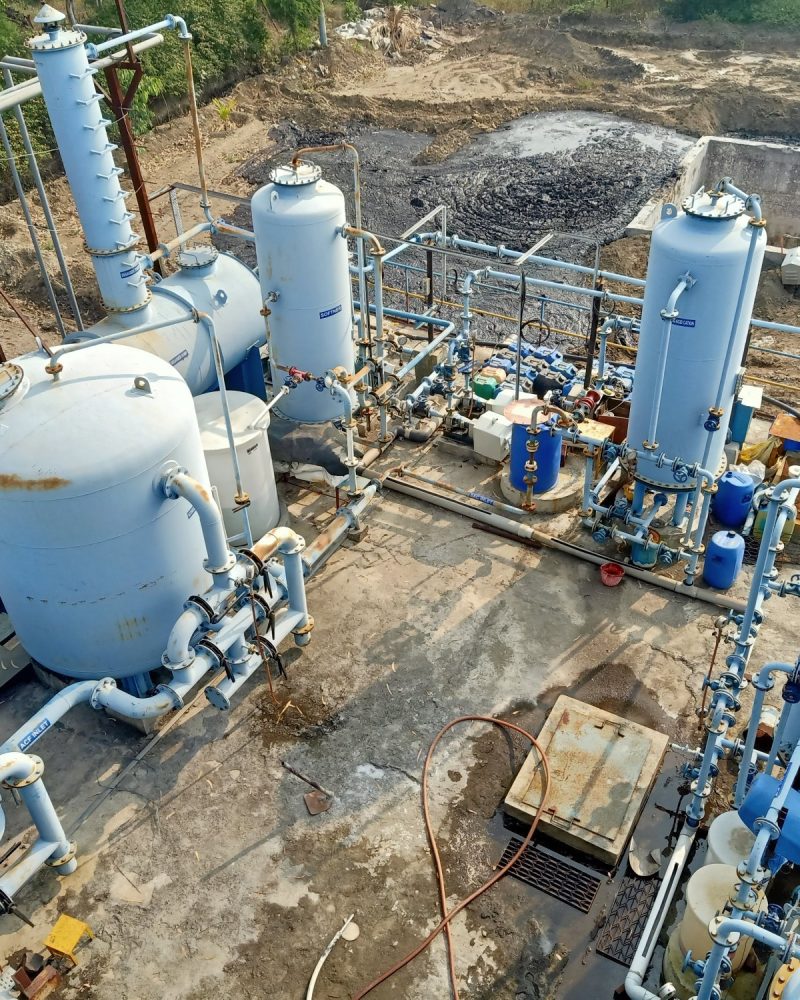
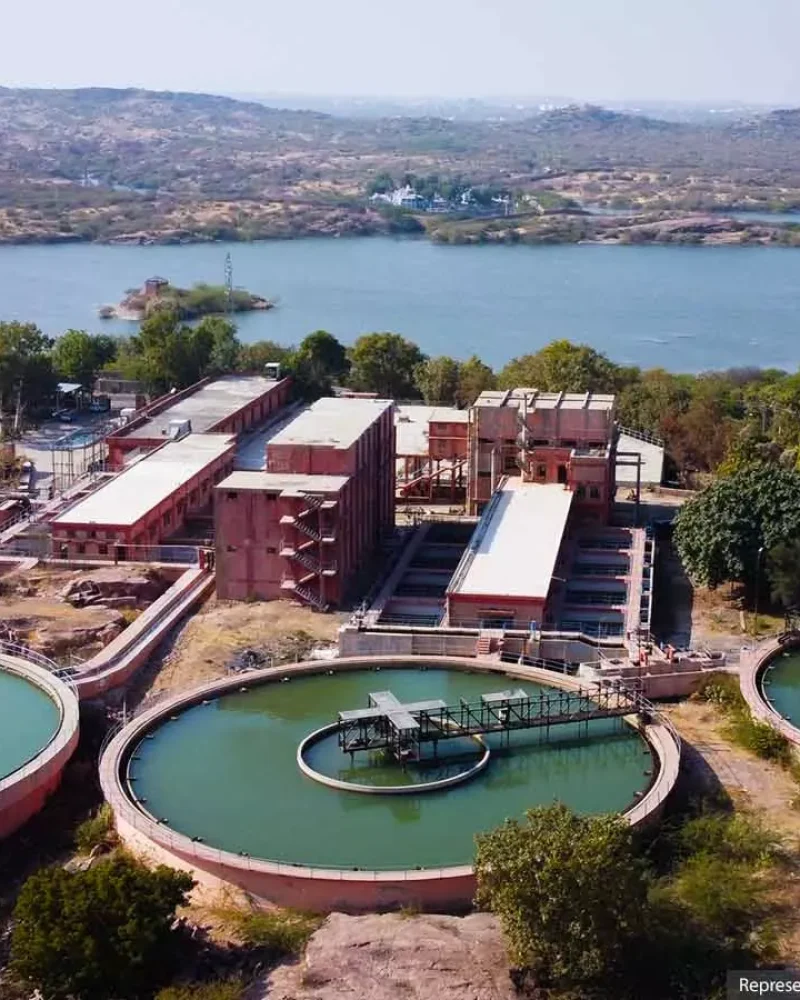
Secondary biological treatment removes the bulk of organic pollution, but the resulting water often still contains residual suspended solids, hardness, dissolved salts, and trace contaminants. Tertiary treatment is the step that transforms “treated” water into water that can be safely discharged to sensitive water bodies, or reused for high-value applications like boiler feed, cooling towers, or even drinking water.
Each tertiary process addresses a different category of residual contamination — coagulation and flocculation for fine suspended particles, filtration for remaining turbidity and trace organics, softening for hardness, and reverse osmosis for dissolved salts and the final polish needed for high-purity applications.
Tertiary treatment processes refine water quality further — removing remaining particles, hardness, and dissolved ions to meet discharge or reuse standards.
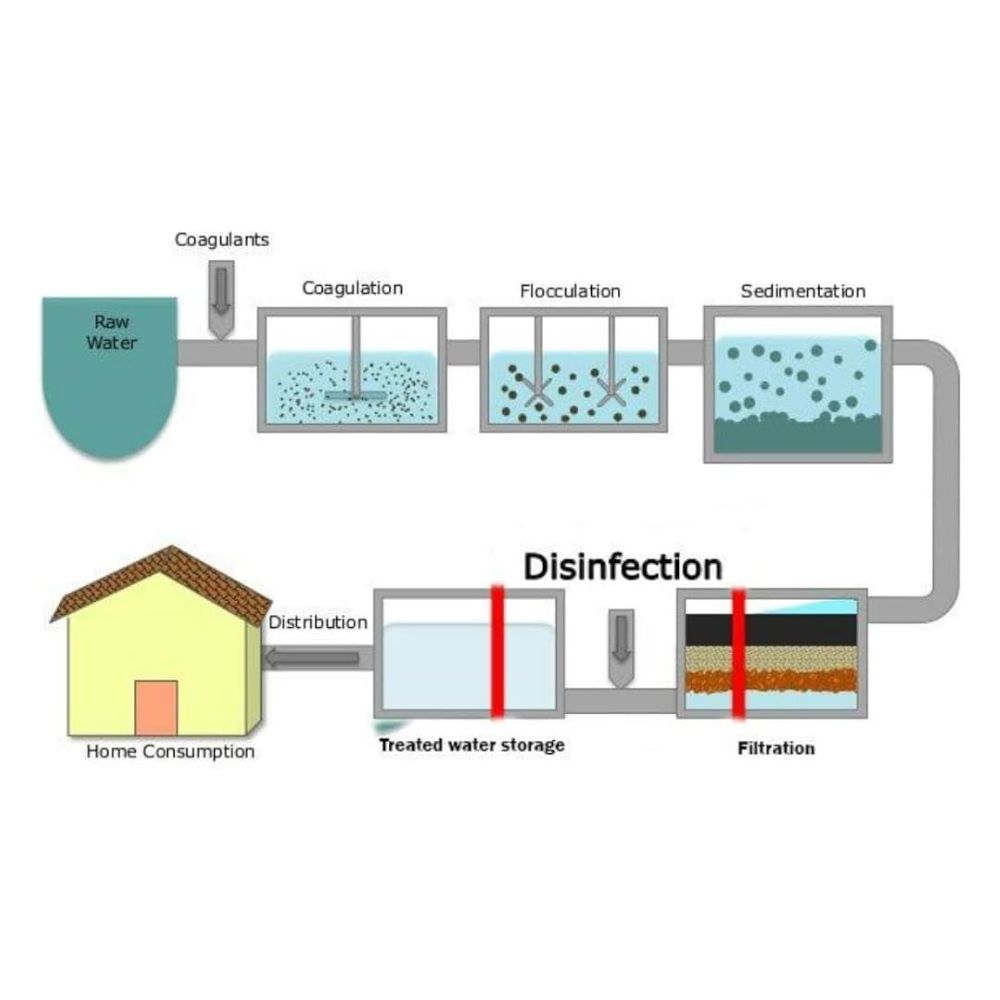
In water treatment, coagulation flocculation involves the addition of polymers that clump the small, destabilized particles together into larger aggregates so that they can be more easily separated from the water.
Coagulation is a chemical process that involves neutralization of charge whereas flocculation is a physical process and does not involve neutralization of charge.
The coagulation & flocculation process can be used as a preliminary or intermediary step between other water or wastewater treatment processes like filtration and sedimentation.
The performance of this stage depends heavily on correct dosing — too little coagulant leaves particles unaggregated, while too much can re-stabilize particles or add unnecessary cost. Our dosing systems and pumps (available through our Spares, Chemicals & Components vertical) are selected to provide precise, repeatable dosing for consistent results.
Carbon filtering is a method of filtering that uses a bed of activated carbon to remove contaminants and impurities, using chemical adsorption.
Activated carbon is especially effective at removing dissolved organics, taste and odour compounds, and certain trace chemicals — making it valuable both as a polishing step for treated wastewater and as part of drinking water treatment trains.
Sand filtration is a process in which the treatment of the water is released by the ‘porous’ nature of a sand layer which traps particles present in water.
Sand filters are typically used as a robust, low-cost polishing step ahead of more sensitive downstream processes such as RO — protecting membranes from suspended solids that could otherwise cause fouling.
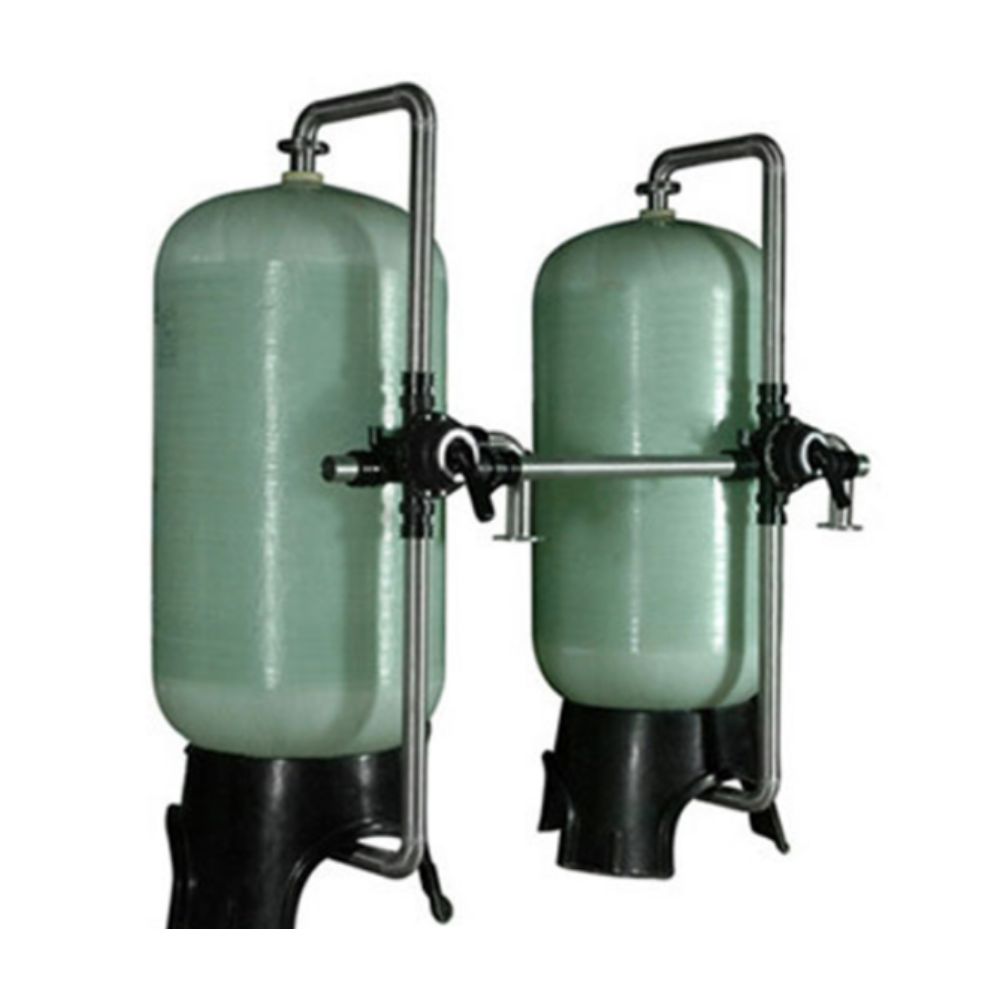
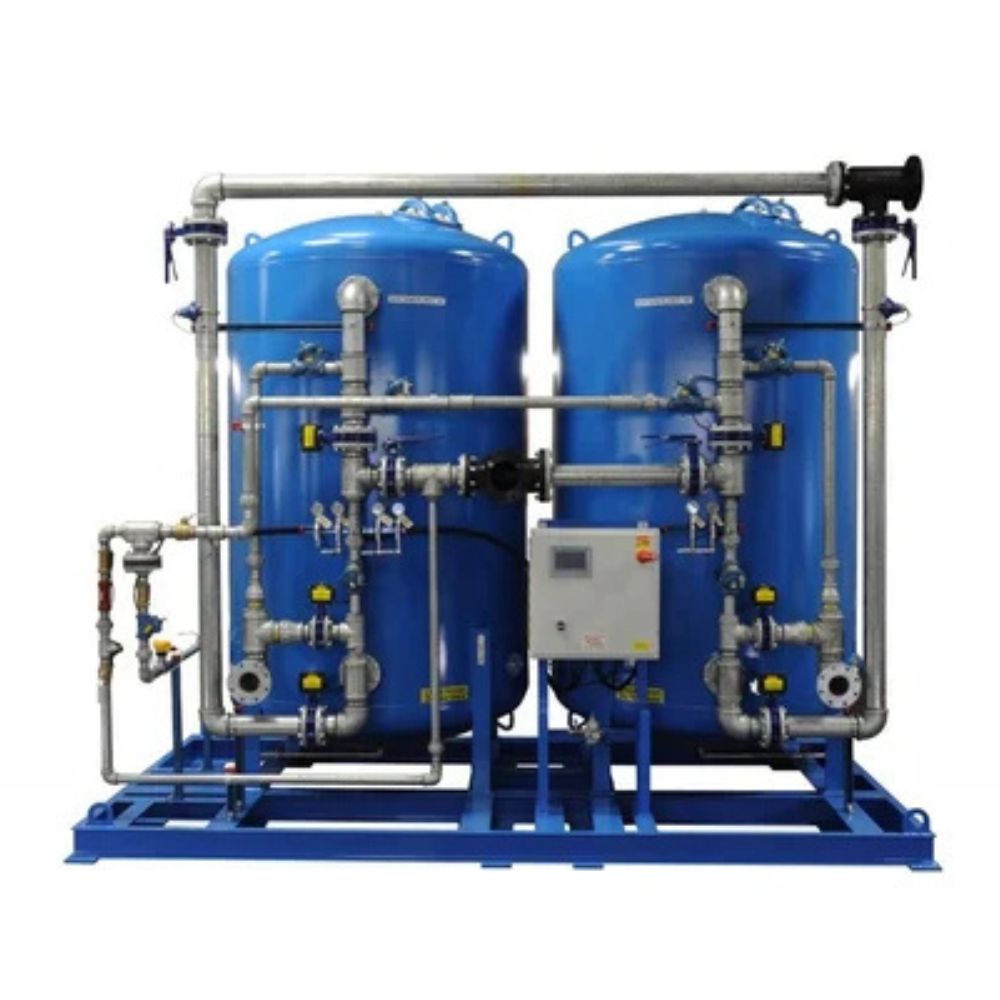
Water softening is the removal of calcium, magnesium, and certain other metal cations in hard water.
Soft water also extends the lifetime of plumbing by reducing or eliminating scale build-up in pipes and fittings.
Water softening is usually achieved using lime softening or ion-exchange resins.
Hardness is a particular concern for boiler feed water and RO pretreatment — scale build-up on heating surfaces reduces efficiency and can lead to costly equipment failures, while hardness in RO feed water accelerates membrane scaling. Softening upstream of these processes is often a cost-effective way to extend equipment life.
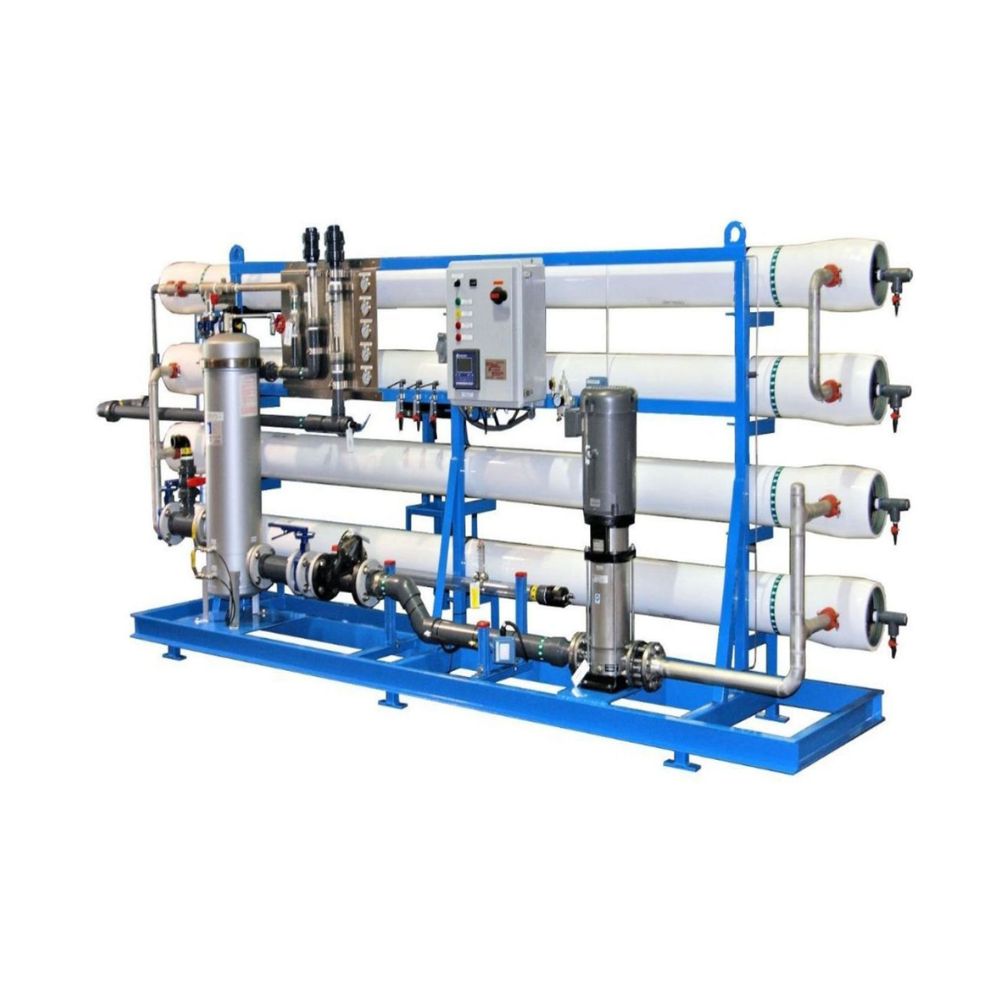
Reverse osmosis (RO) is a water purification technology that uses a semipermeable membrane to remove ions, molecules and larger particles from drinking water.
In reverse osmosis, an applied pressure is used to overcome osmotic pressure — producing high-purity water suitable for industrial process use, drinking water systems, and high-purity applications.
RO is often the final and most critical stage in a treatment train aimed at water recycling or zero liquid discharge. The quality of water that an RO system can produce depends heavily on the effectiveness of the pretreatment stages before it — which is why coagulation, filtration, and softening are so important when RO is part of the design.
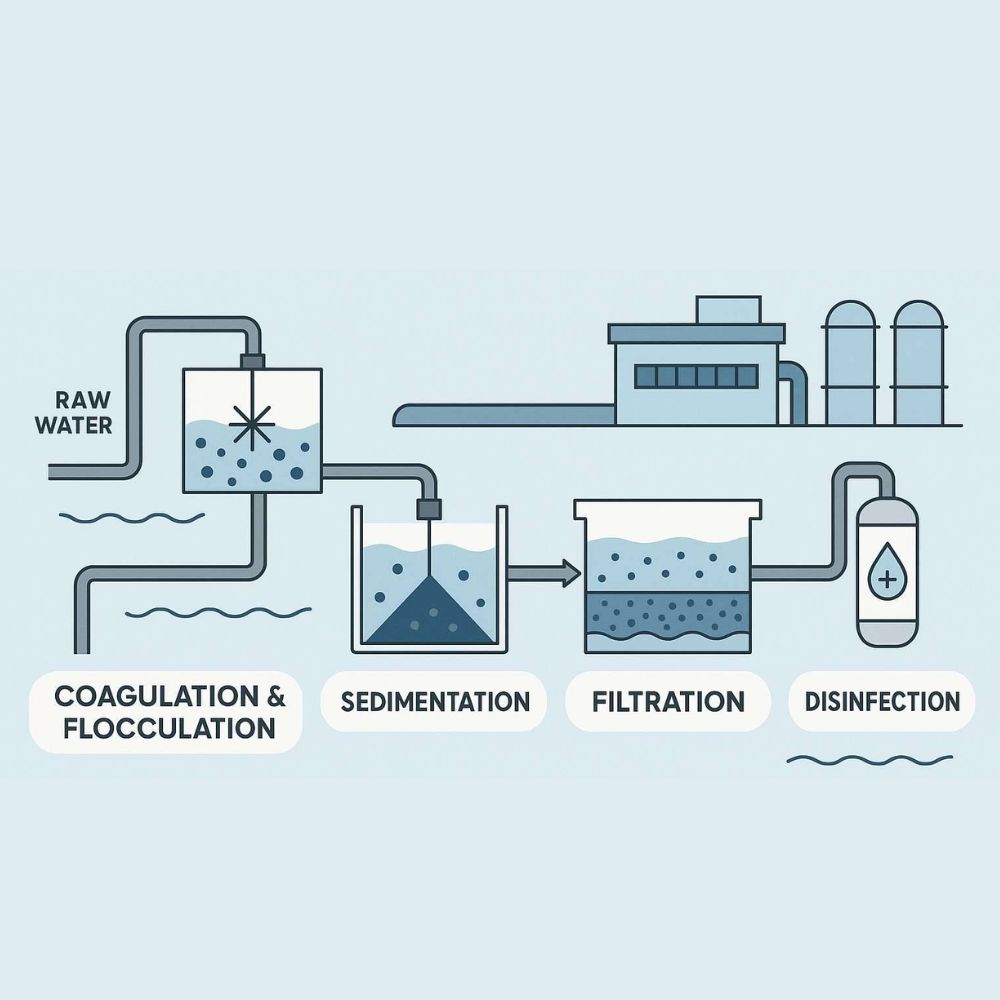
While every plant is designed individually, a common sequence for high-quality reuse water looks like this:
Not all stages are required for every application — for example, a plant aiming only for discharge compliance may stop after sand filtration, while a plant targeting high-purity water for pharmaceutical use will need the full sequence, often with additional polishing steps. Our engineers will help you determine the right combination based on your end-use requirements.
From coagulation to RO, our tertiary treatment solutions ensure your treated water meets discharge norms or reuse specifications.
WhatsApp us