
Filter Press, Centrifuge, Screw Press, and Belt Press solutions for efficient sludge dewatering and disposal.
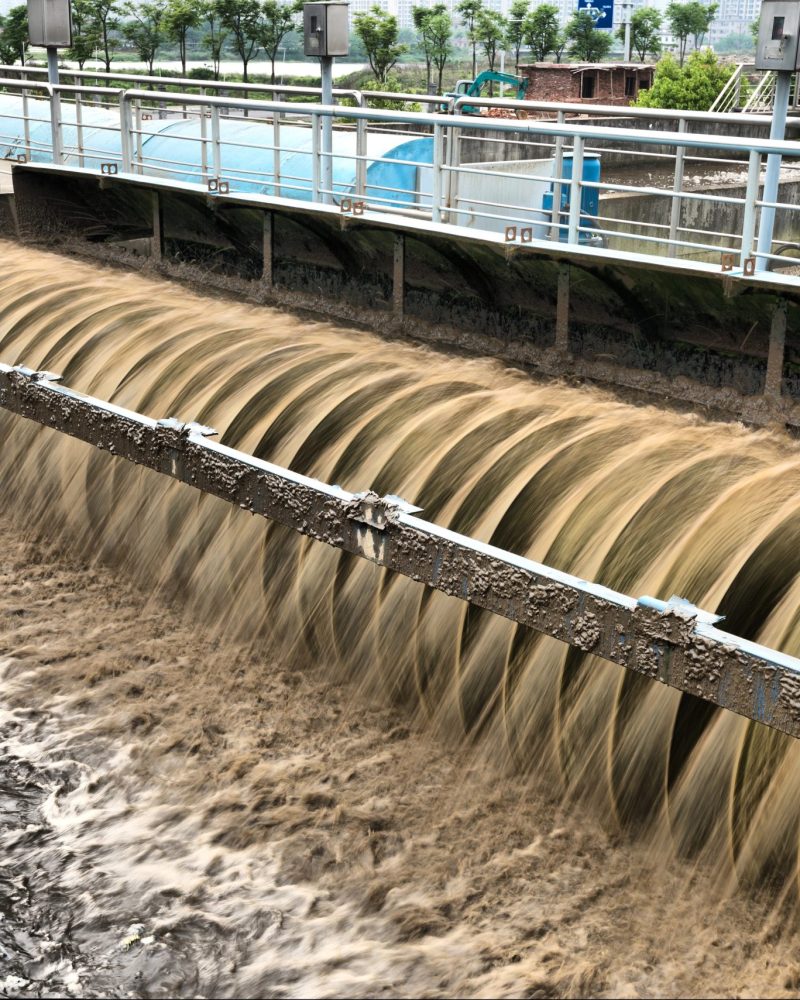
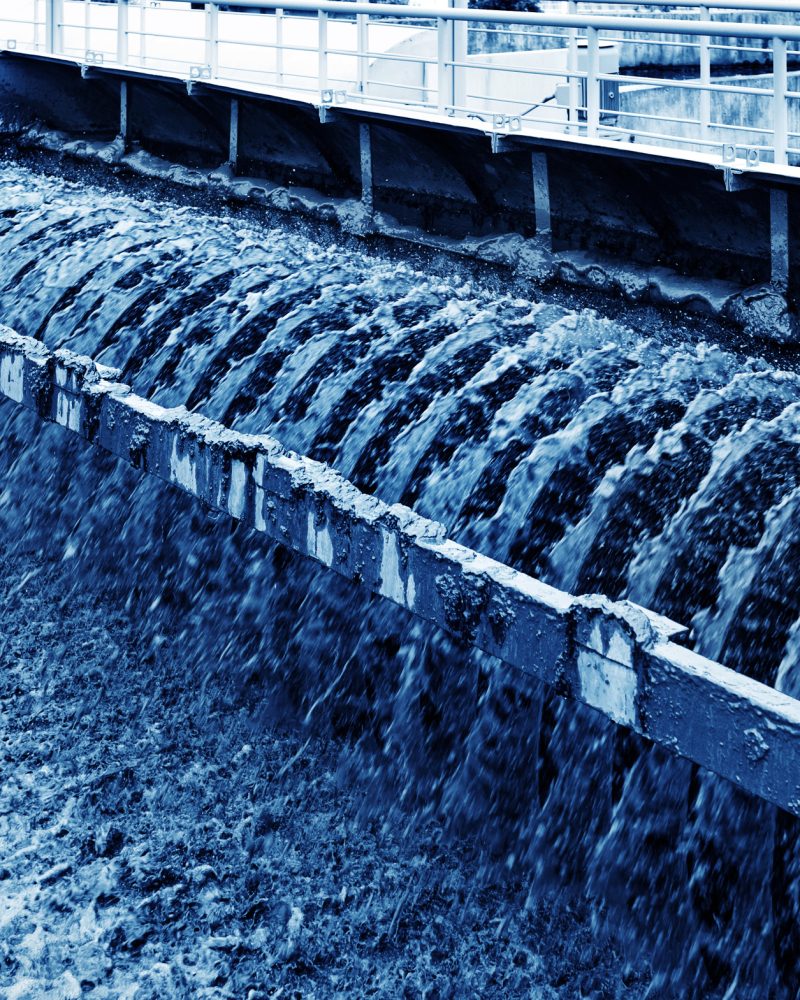
Every treatment process — whether physico-chemical or biological — generates sludge. Left untreated, this sludge is bulky, difficult to transport, and expensive to dispose of. Effective dewatering can reduce sludge volume dramatically, often by 70-90%, turning a tanker-loads-per-week problem into a manageable, occasional disposal task.
The right dewatering technology depends on the type of sludge (biological vs. chemical), the desired cake dryness, available space, and budget. Green Dream Technology supplies and services four major dewatering technologies — Filter Press, Centrifuge, Screw Press, and Belt Press — each suited to different applications.
Sludge generated during treatment must be efficiently dewatered for safe handling and disposal. We deploy the right dewatering technology based on sludge characteristics and plant capacity.
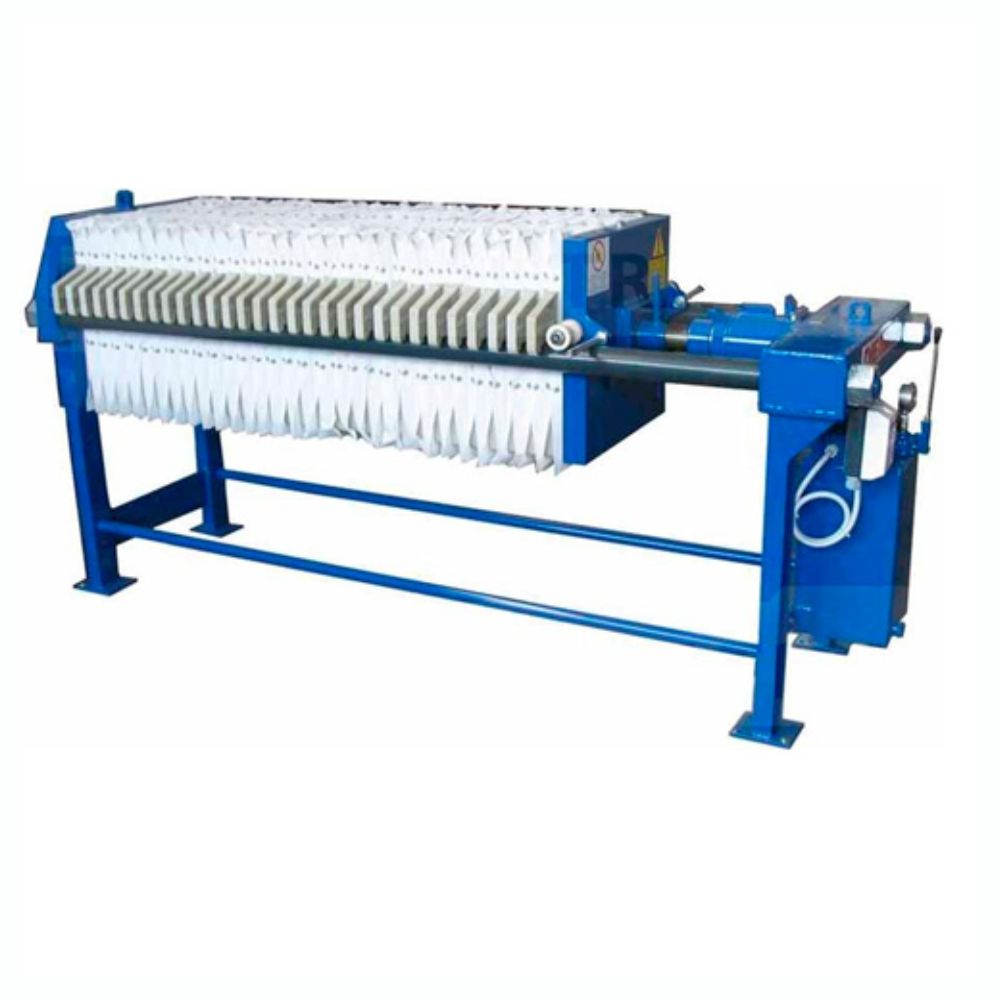
An industrial filter press is a tool used in separation processes, specifically to separate solids and liquids. The process uses the principle of pressure drive, as provided by a slurry pump.
Among other uses, filter presses are utilized in factories in order to separate effluent from sludge.
Filter presses are well known for producing some of the driest sludge cakes among dewatering technologies, which translates to lower transport and disposal costs. They operate in a batch cycle — sludge is pumped into the press, pressure is applied, and the resulting cake is removed once a target dryness is reached.
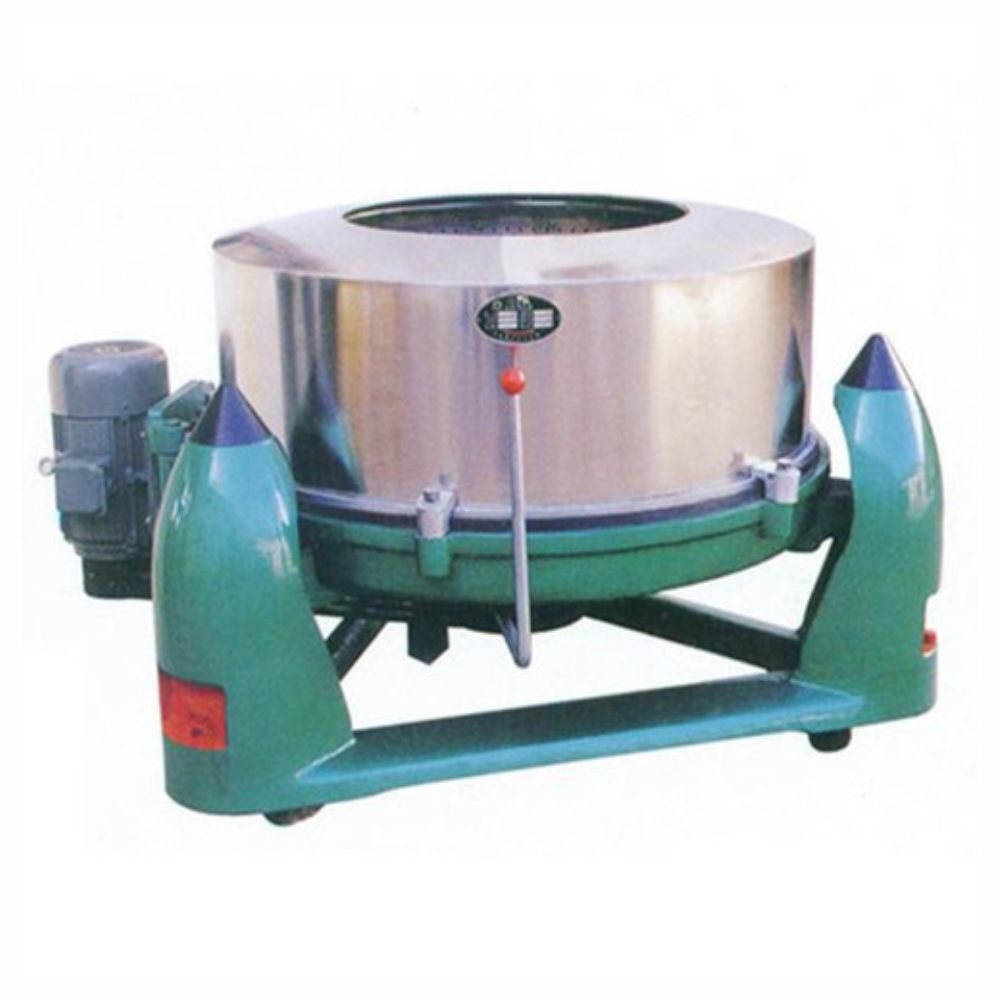
The principle of the centrifuge, also known as centrifugal decanter, is to use centrifugal force to accelerate the solid-liquid separation.
A centrifuge is a conical cylinder decanter that turns horizontally on its axis with a clarified water overflow, and the dewatered sludge being removed by an Archimedean screw. The rotation applies a centrifugal force on the solid particles which then moves a lot more quickly.
The clarified liquid, called centrate, is evacuated at the other end of the bowl by overflow.
Unlike batch-operated filter presses, centrifuges operate continuously — making them well suited to plants with high, steady sludge production rates where minimizing operator intervention is a priority. They also have a relatively compact footprint compared to belt presses of similar capacity.
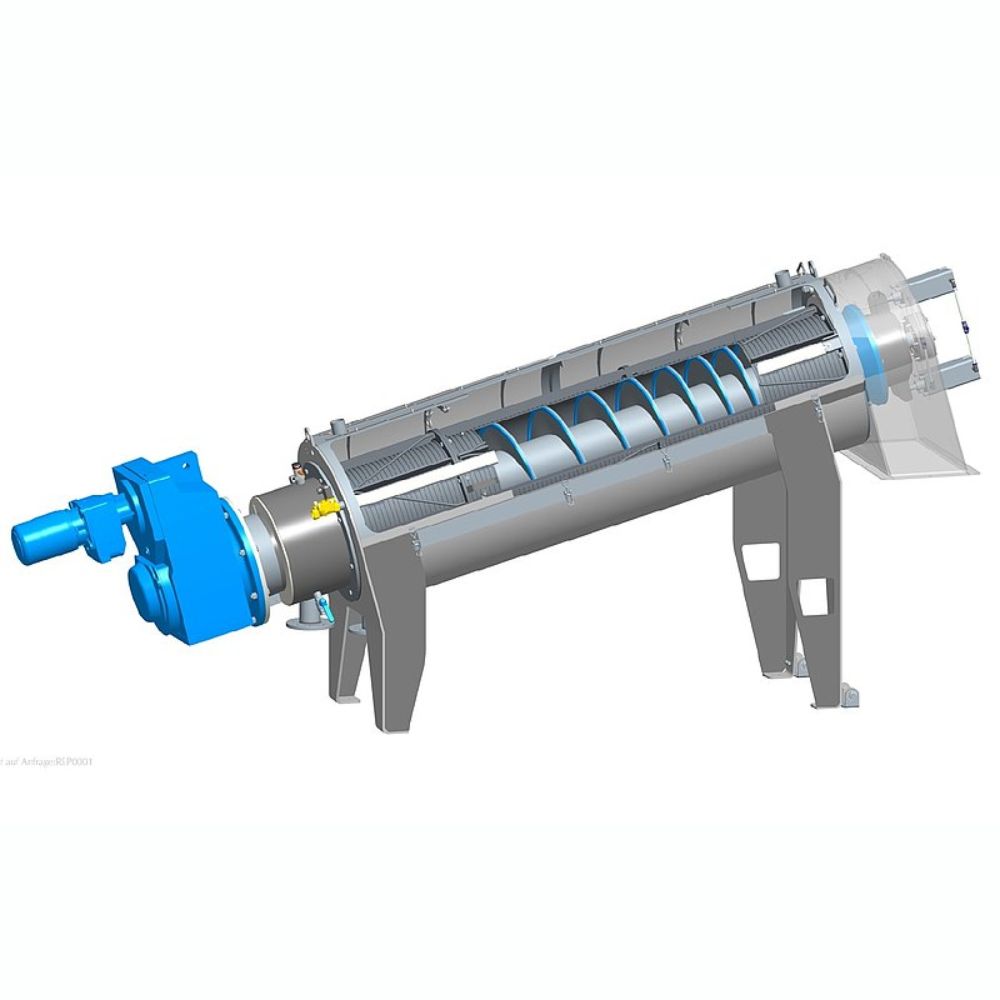
A dewatering screw press is a screw press that separates liquids from solids. A screw press can be used in place of a belt press, centrifuge, or filter paper.
It is a simple, slow moving device that accomplishes dewatering by continuous gravitational drainage. Screw presses are often used for materials that are difficult to press, for example those that tend to pack together.
The screw press squeezes the material against a screen or filter and the liquid is collected through the screen for collection and use.
Because screw presses operate slowly and use relatively little energy compared to centrifuges, they are often favoured where operating cost is a priority and where the sludge does not require the very high dryness levels achievable with filter presses.
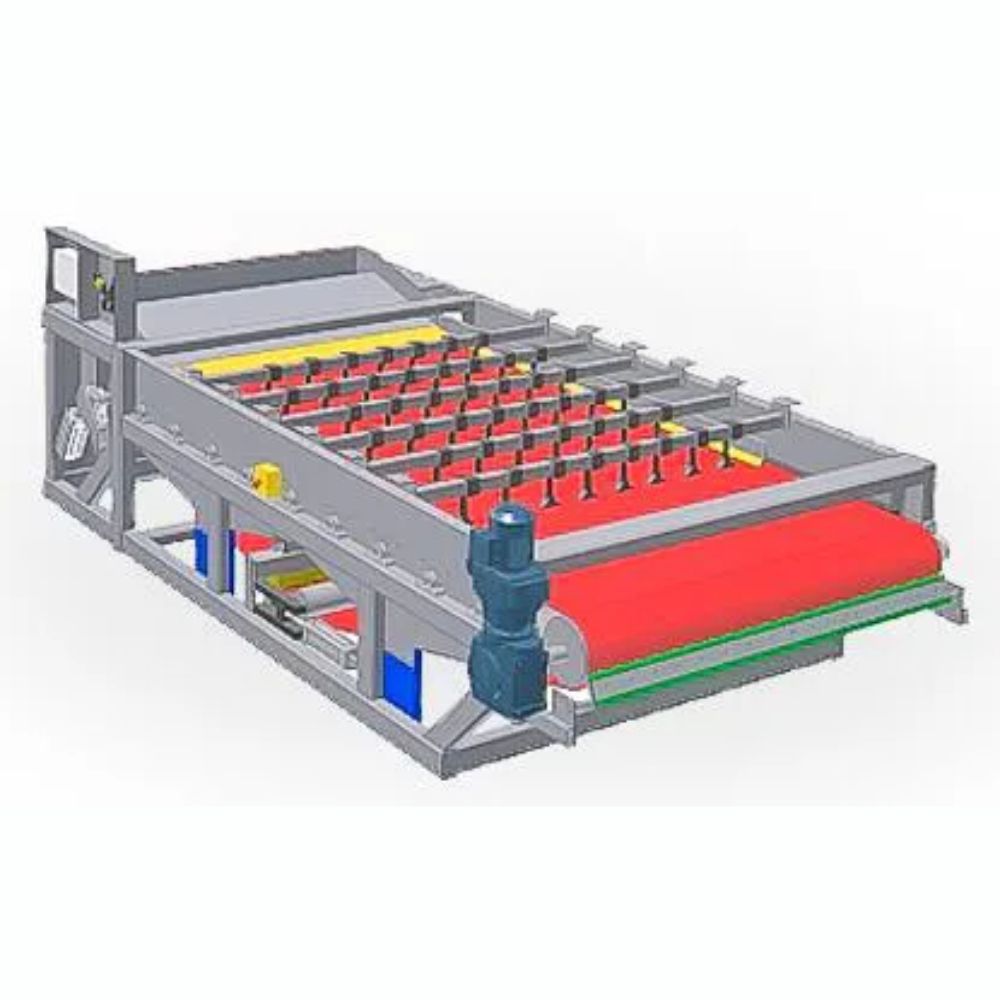
Belt filter allows continuous sludge dewatering between two filter belts. It has different zones through which sludge passes.
Flocculator: The sludge flocculent blend is done in the flocculator and then the flocculated sludge is evenly distributed on the filter belt.
The inlet stream is stilled upon entry into the clarifier. Hoppers are kept at the bottom of the clarifier to collect the solid particles which are settling down, and the clarified liquid exits.
Belt presses are widely used in municipal and larger industrial STPs due to their high throughput capacity and relatively straightforward operation. The multi-zone design — gravity drainage followed by progressive pressing — allows belt presses to handle a wide range of sludge types effectively.
Each technology trades off cake dryness, energy consumption, footprint, and operating complexity differently. Our engineers will help you weigh these factors against your specific sludge characteristics and disposal requirements.
Driest cake output, batch operation, well suited to chemical sludges and smaller plants.
Continuous operation, compact footprint, good for biological sludges with steady production.
Low energy use, continuous operation, good for fibrous sludges and cost-sensitive applications.
High throughput, well-proven for large municipal and industrial plants.
From filter presses to centrifuges, we help you select the right dewatering equipment for your sludge characteristics and disposal requirements.
WhatsApp us