
The first line of defense — removing large solids, oils, and debris before water enters further treatment stages.
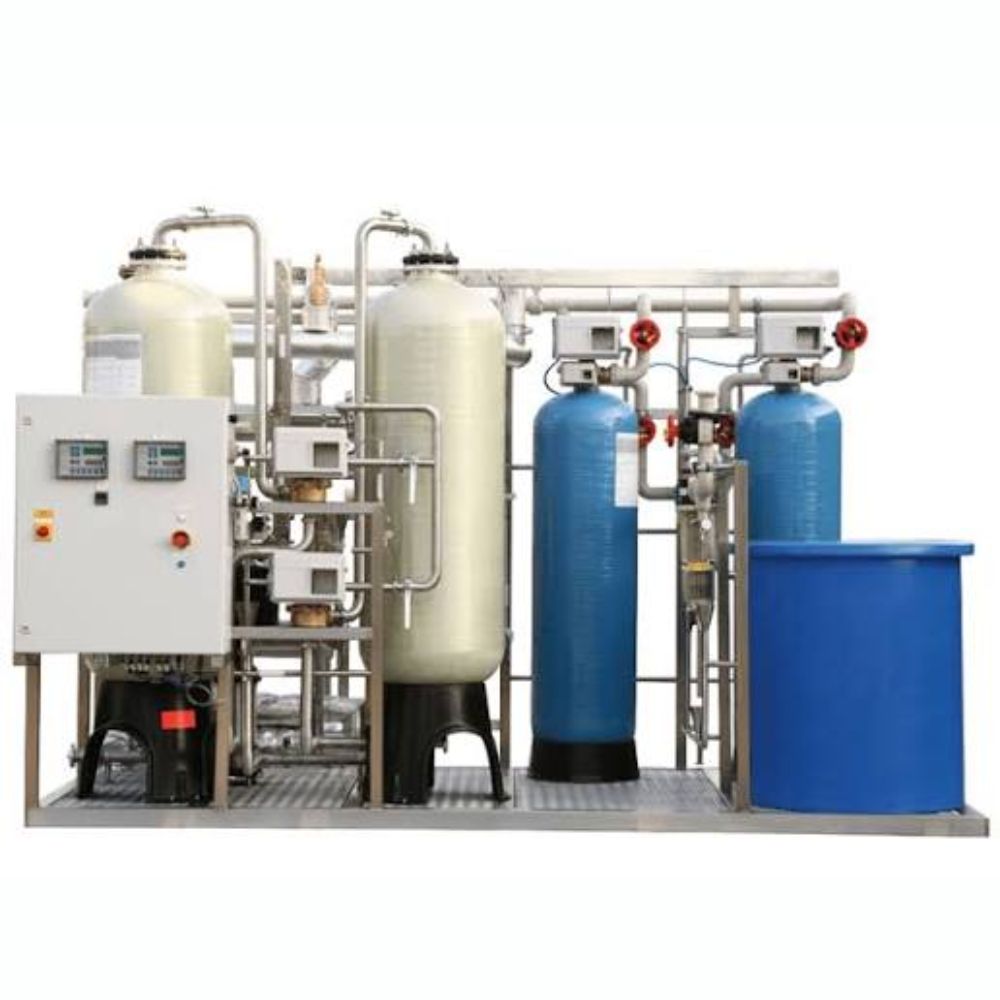
Pretreatment is often the least glamorous part of a treatment plant — but it is arguably the most important for long-term reliability. Raw wastewater can carry rags, plastics, grit, fats, oils, and grease that, if left unaddressed, will clog pumps, foul membranes, and disrupt biological processes downstream.
A well-designed pretreatment stage extends the life of every piece of equipment that follows it. For plants using MBR or other membrane-based technologies, robust pretreatment is not optional — it is essential to prevent premature membrane fouling and costly replacements.
Pretreatment equipment protects downstream processes by removing large debris, oils, and suspended solids at the very start of the treatment chain. Below are the core pretreatment technologies we deploy, each suited to different types of incoming waste streams.
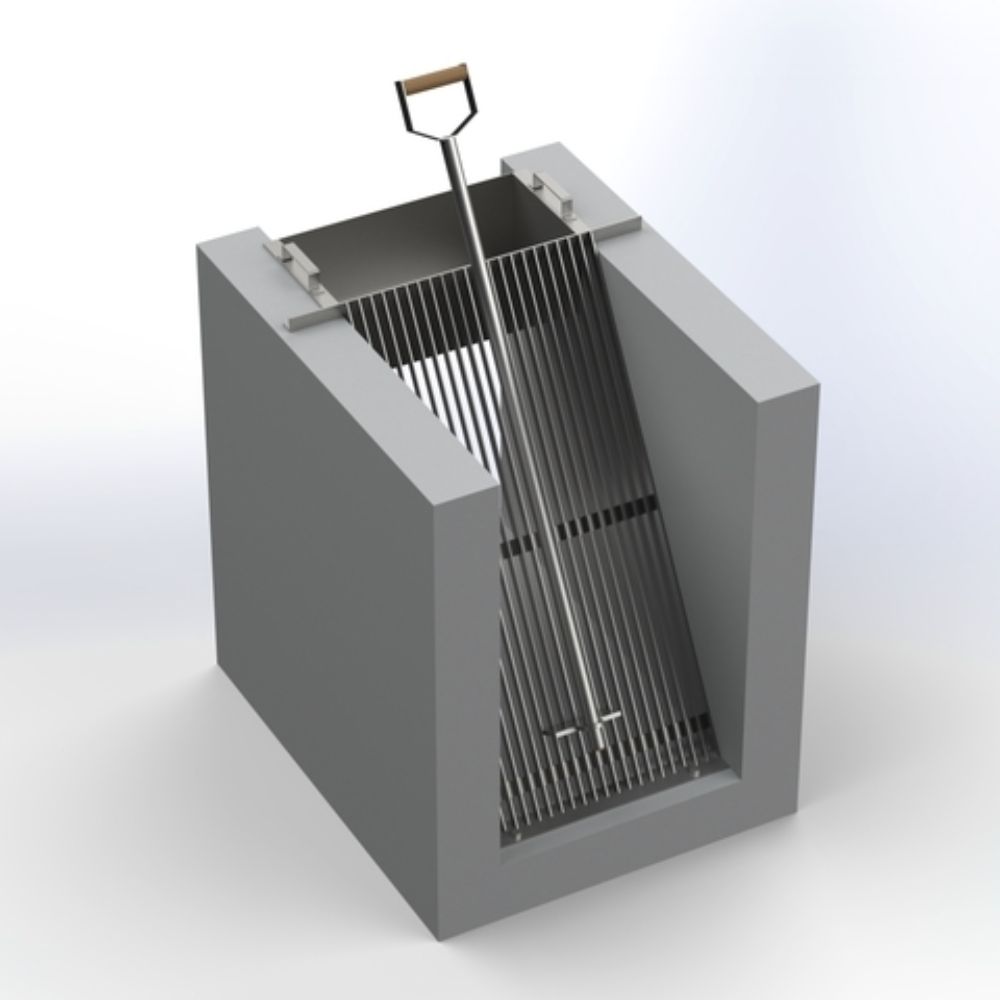
A Bar Screen is a mechanical filter used to remove large objects, such as rags and plastics, from wastewater.
They typically consist of a series of vertical steel bars spaced between 8 mm and 2 mm, ensuring large solids are caught before reaching downstream equipment.
Bar screens are usually the very first piece of equipment a wastewater stream encounters. By stopping rags, plastics, and other coarse debris at this stage, they prevent blockages in pumps, pipes, and valves further down the treatment line — reducing maintenance call-outs and unplanned downtime.
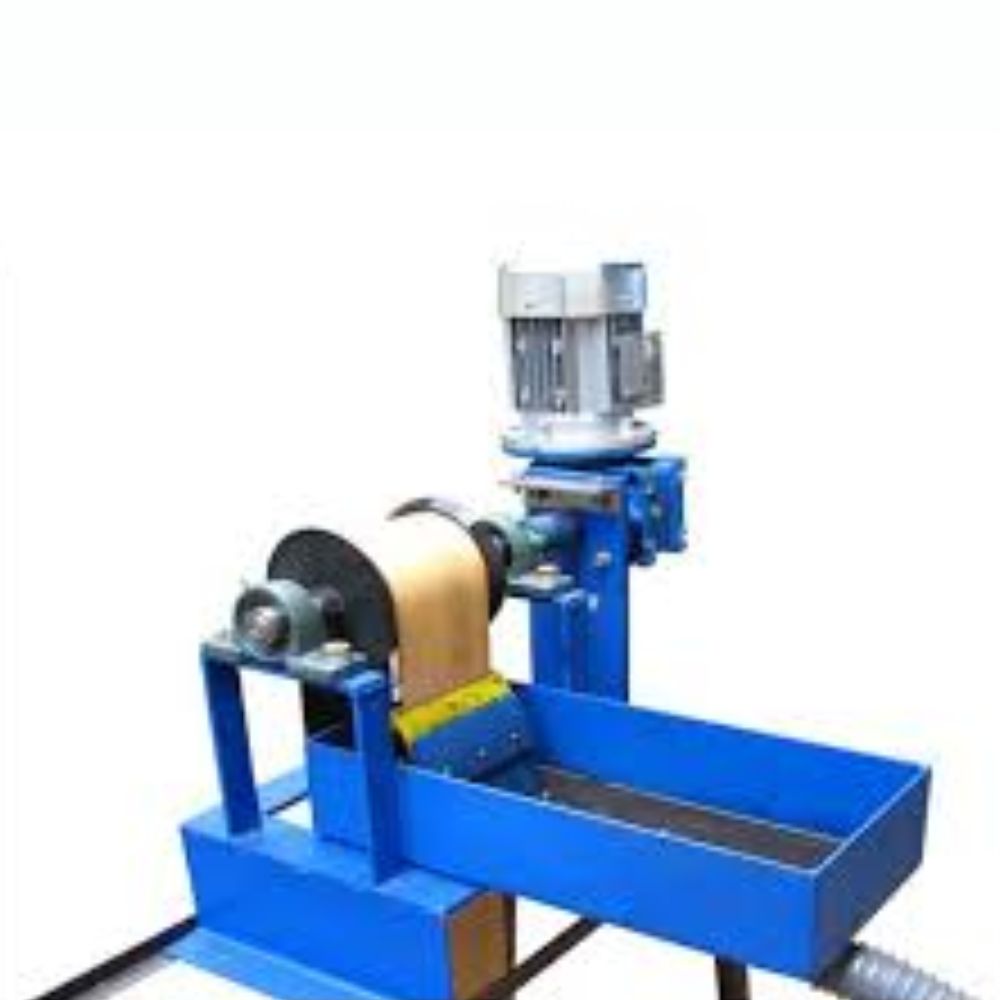
Oil Skimmers are remediation devices used to remove oil from the surface of water, solvents, cleaning solutions, and other fluids.
There are two basic types of oil skimmers. One type is used to filter and remove oil, debris, and unwanted materials.
The other type is used to recover or capture oil in a usable state. Typically, this second type of skimmer is used to clean up oil spills in factories, refineries, and bodies of water.
For industries such as automotive, food processing, and oil & gas, free oil and grease in the wastewater stream can severely impact biological treatment efficiency by coating biomass and reducing oxygen transfer. Removing this oil early — before it reaches the biological stage — keeps downstream processes operating efficiently.
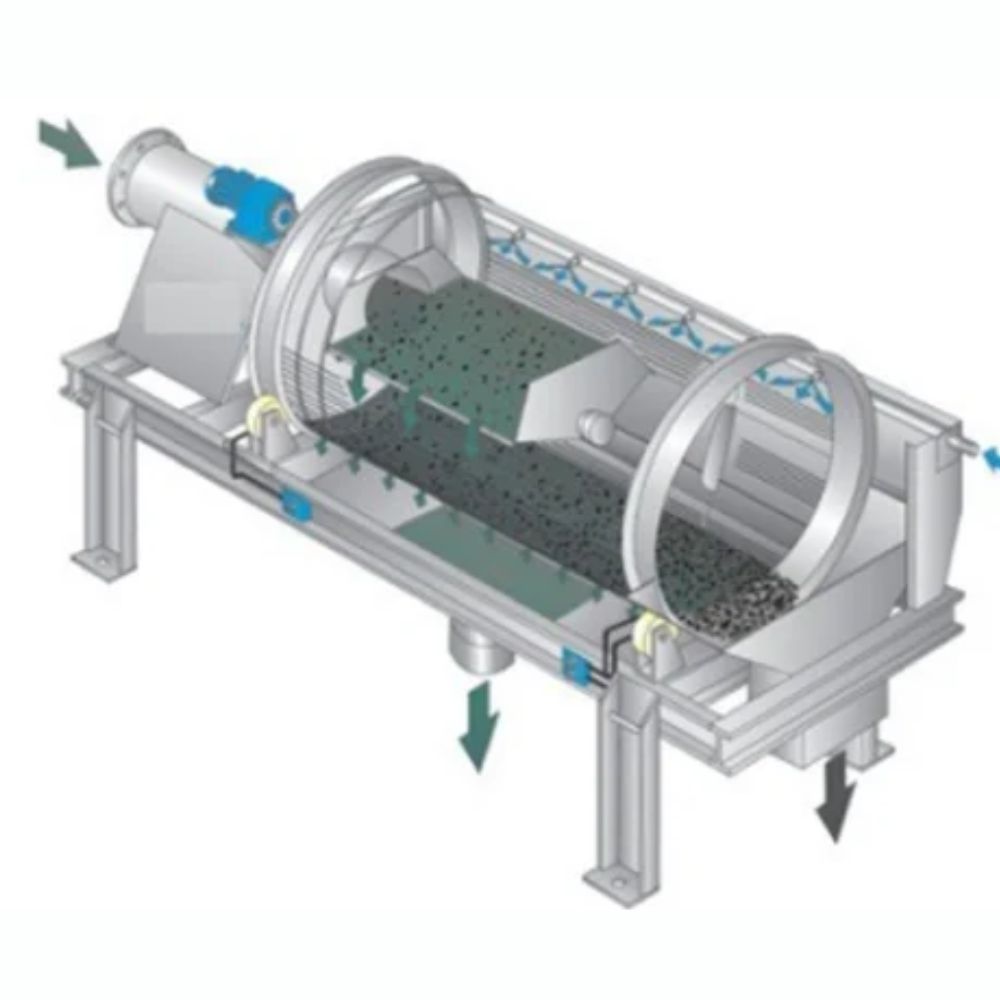
Drum Screen is an internally fed rotating drum screen built for heavy pretreatment applications such as draining, mud thickening, and sandy or industrial wastewater treatment.
The rotating drum design provides continuous, automated screening with minimal manual intervention — an important consideration for plants that operate around the clock or with limited on-site staff.
Not every plant needs all three pretreatment technologies. Our engineers assess your specific waste stream characteristics to recommend the right combination.
Bar screens and drum screens are typically combined to capture both coarse and fine solids before biological treatment.
Oil skimmers are essential for automotive, food processing, and oil & gas applications where free oil would otherwise foul biological systems.
Drum screens with fine apertures are strongly recommended ahead of any membrane-based biological treatment system.
Whether for a new plant design or to upgrade existing pretreatment, our team can recommend the right equipment for your application.
WhatsApp us