MBR, MBBR, SBR, and UASB technologies — the biological heart of any effective wastewater treatment plant.
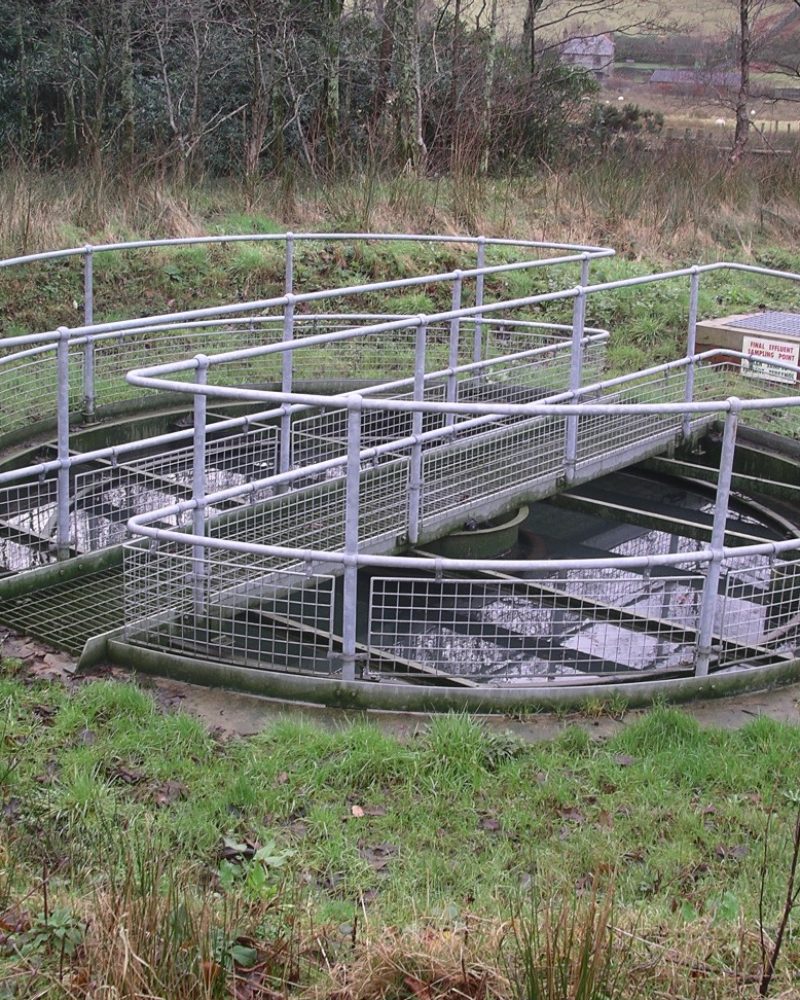
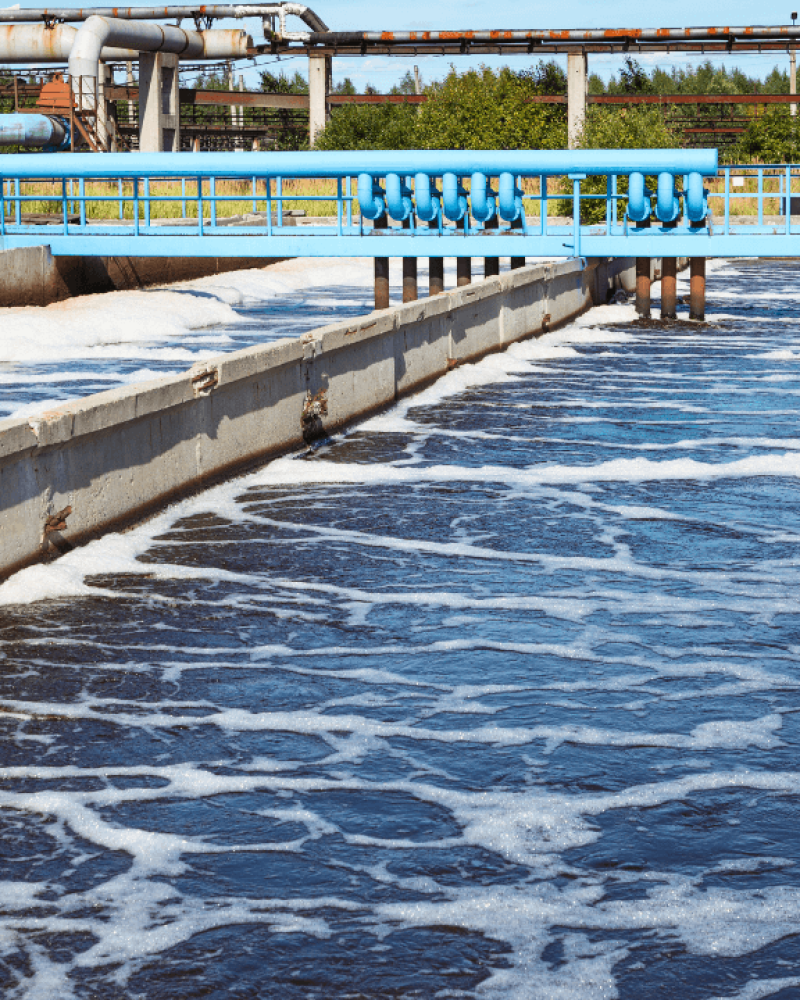
Secondary biological treatment is where the bulk of organic pollution — measured as BOD (Biochemical Oxygen Demand) and COD (Chemical Oxygen Demand) — is removed from wastewater. Microorganisms consume dissolved and suspended organic matter, converting it into biomass, carbon dioxide, and in some processes, biogas.
The choice of biological technology has a major impact on a plant’s footprint, energy consumption, sludge production, and resilience to load fluctuations. Green Dream Technology evaluates four primary technologies — MBR, MBBR, SBR, and UASB — and recommends the one (or combination) best suited to your effluent characteristics, available space, and reuse goals.
We deploy the most suitable biological treatment technology based on your effluent characteristics, space constraints, and reuse goals.
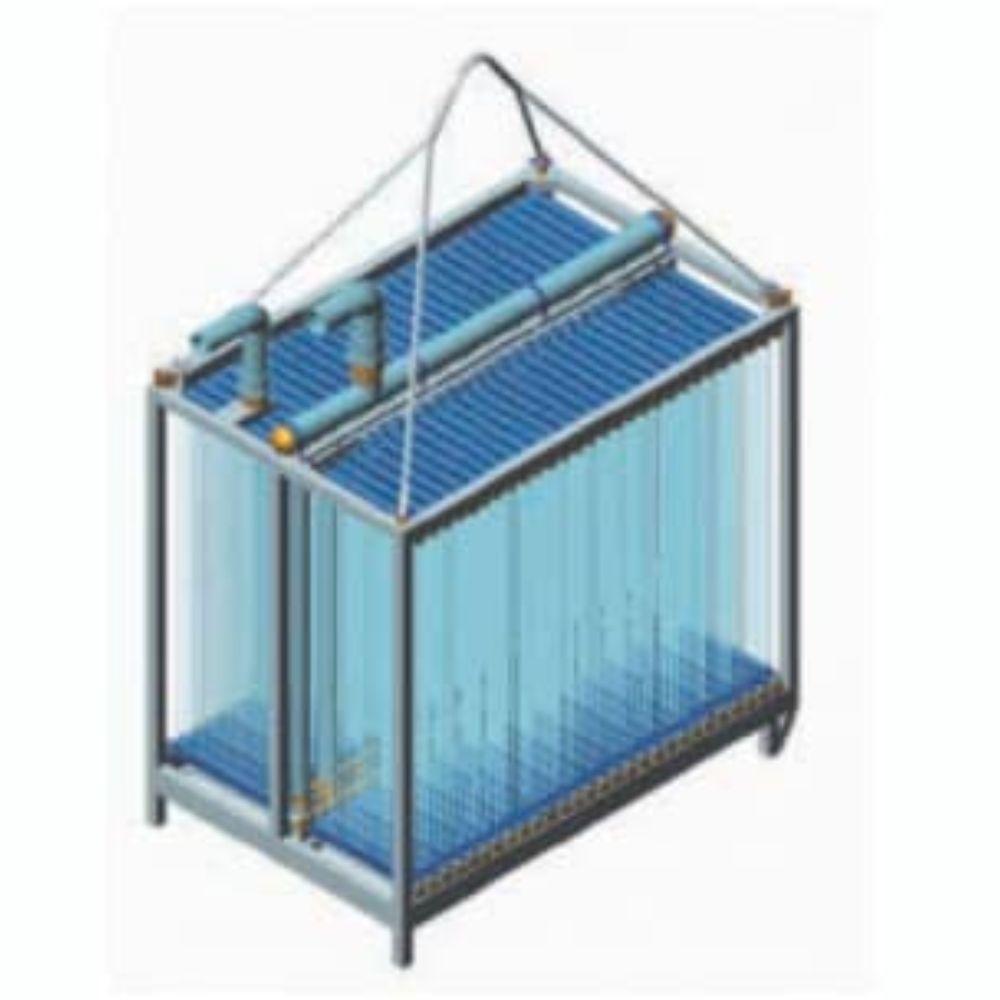
Membrane Bioreactor (MBR) is the combination of ultrafiltration (UF) and activated sludge process.
Cristal Clear Water Technology is a MBR supplier that produces effluent of high quality which can be discharged to surface water for reuse. It has an advantage like retrofit.
Because MBR replaces the conventional secondary clarifier with a membrane barrier, it produces consistently high-quality effluent — typically clear enough for direct reuse in flushing, cooling, or irrigation applications — while occupying significantly less footprint than conventional activated sludge systems.
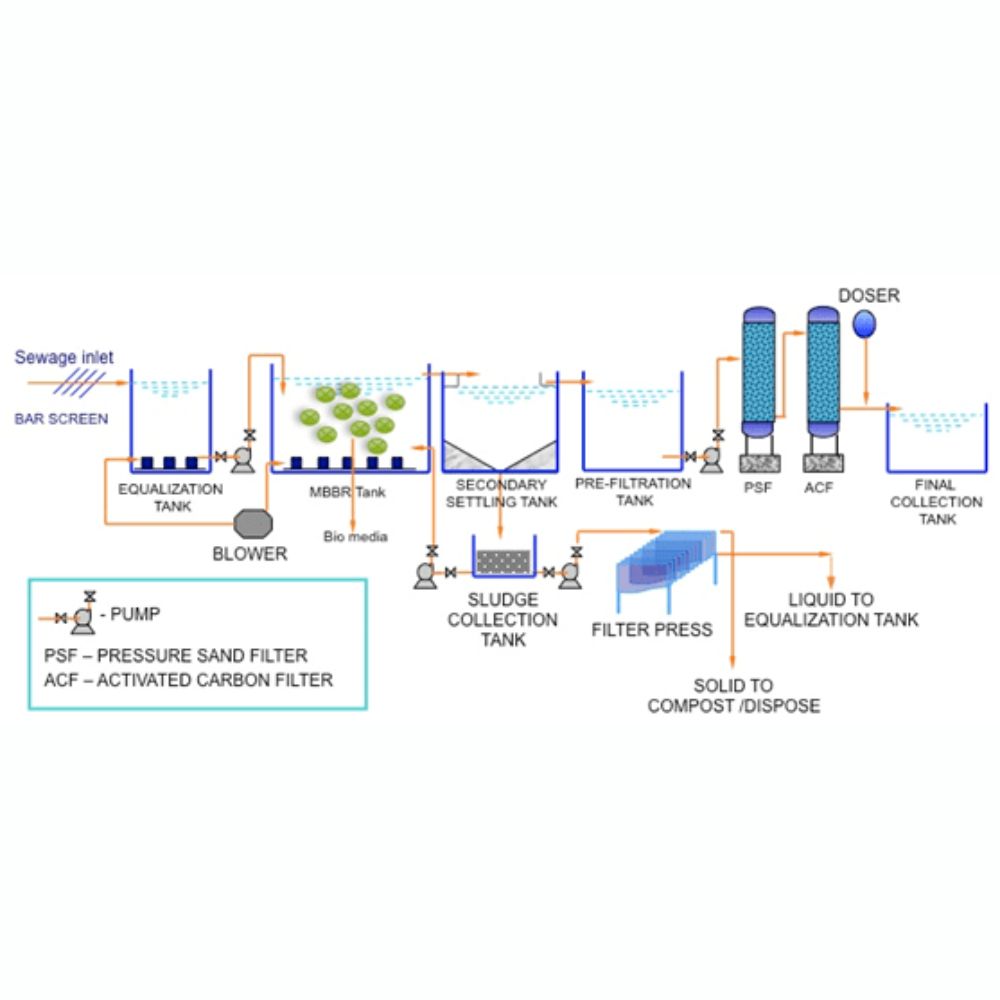
The MBBR system consists of an aeration tank (similar to an activated sludge tank) with special plastic carriers that provide a surface where a biofilm can grow. The carriers are made of a material with a density close to the density of water (1 g/cm³).
Because the biofilm carriers move freely within the tank, MBBR systems can handle sudden changes in influent load — such as shock organic loads from batch discharges — without the upsets that can occur in conventional activated sludge processes. This makes MBBR a popular choice for industries with variable production schedules, such as breweries and food processing plants.
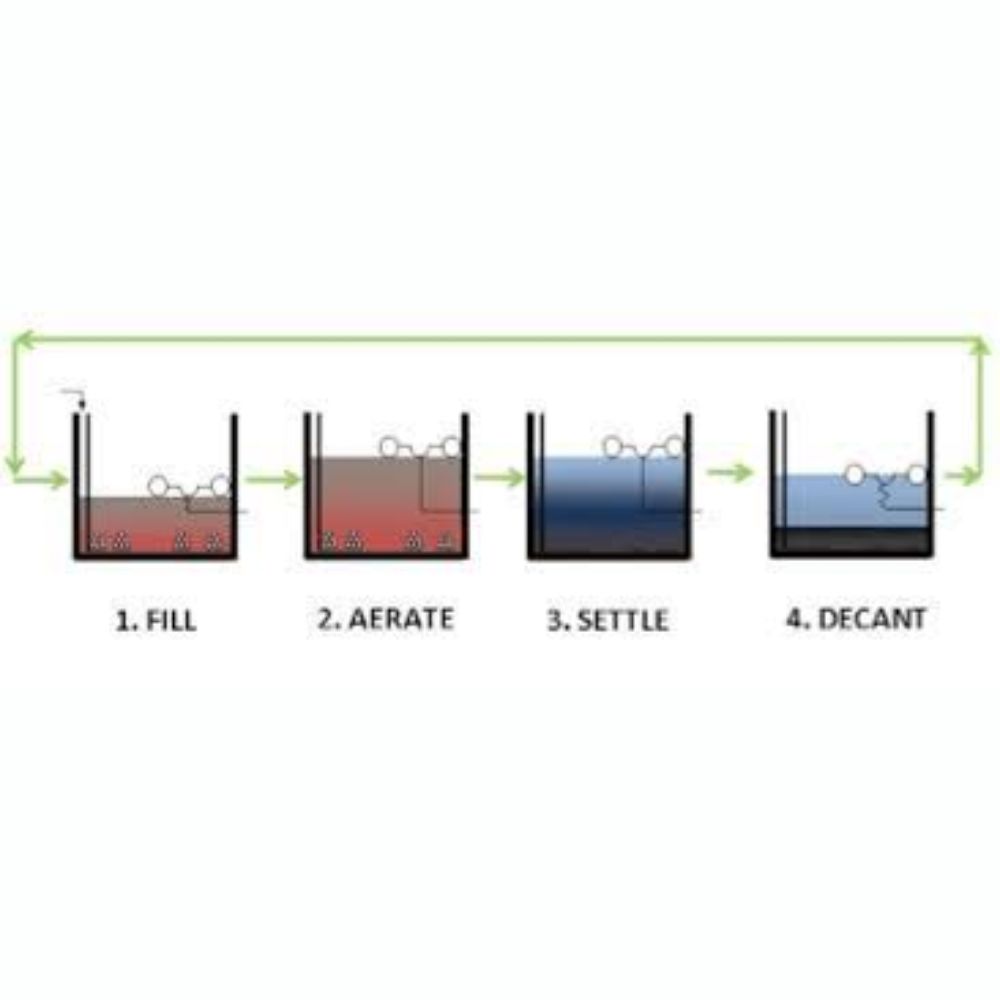
Sequencing Batch Reactors (SBR) or sequential batch reactors are a type of activated sludge process for the treatment of wastewater. SBR reactors treat wastewater such as sewage or output from anaerobic digesters or mechanical biological treatment facilities in batches.
Oxygen is bubbled through the mixture of wastewater and activated sludge to reduce the BOD & COD. The treated effluent may be suitable for discharge to surface waters or possibly for use on land.
Because all five stages occur in a single tank rather than in separate basins, SBR systems are particularly well-suited to plants with limited available land. The batch nature of the process also allows for flexible operation — cycle times can be adjusted seasonally to match varying flow rates, such as higher loads during peak tourist seasons for hospitality applications.
Upflow Anaerobic Sludge Blanket (UASB) technology, normally referred to as UASB reactor, is a form of anaerobic digester that is used for wastewater treatment.
The UASB reactor is a methanogenic (methane-producing) digester that evolved from the anaerobic digester.
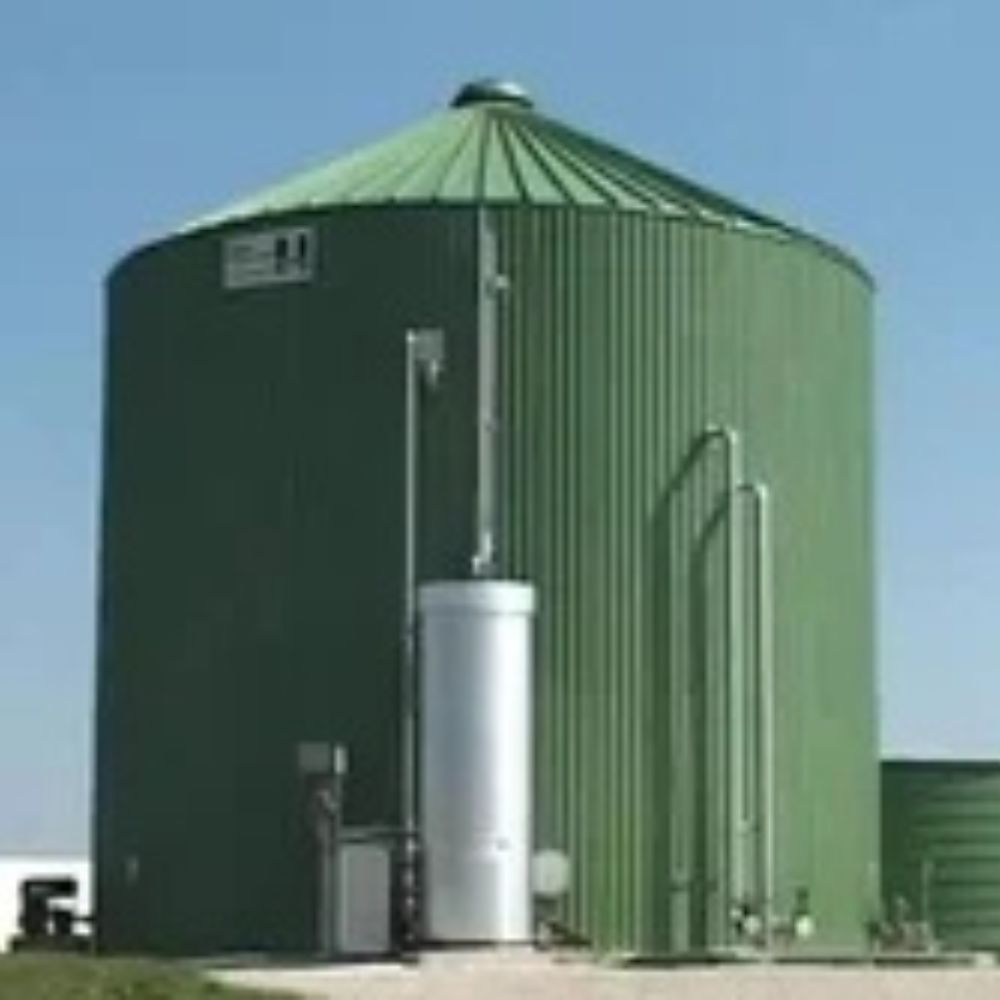
UASB reactors are particularly well-suited to high-strength organic effluents, such as those from distilleries, breweries, and food processing units. Because the process operates anaerobically (without added oxygen), energy costs are significantly lower than aerobic systems — and the biogas produced can be captured and used as a fuel source, offsetting plant energy requirements.
Each biological treatment technology has its own strengths. The table below gives a general sense of how they compare — but the right choice always depends on a detailed assessment of your specific effluent.
Best for highest effluent quality and water reuse, smallest footprint, but higher capital and operating cost due to membranes.
Good balance of compactness, resilience to load changes, and moderate cost — popular for retrofits and variable loads.
Flexible batch operation, simple to automate, well suited to smaller plants with limited space.
Best for high-strength organic effluent with biogas recovery potential and lower energy costs.
Our engineers will assess your wastewater characteristics and recommend the most suitable biological treatment technology — MBR, MBBR, SBR, or UASB.
WhatsApp us